Debenhams: Ambitious Pay Scheme Amid Turnaround
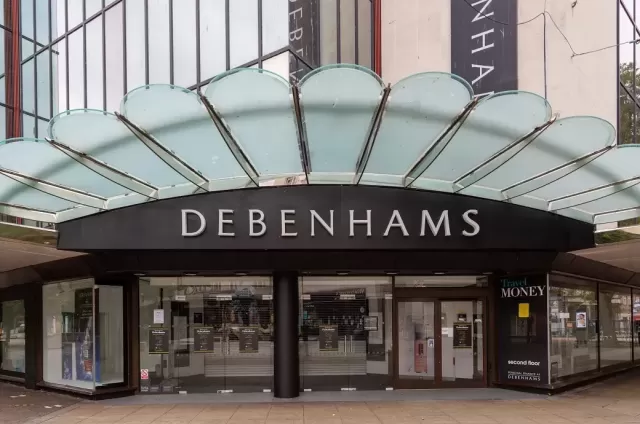
The chief executive of Debenhams Group, the retail giant that also owns Boohoo, is positioned to earn a colossal share package worth nearly £150 million if he can engineer a dramatic recovery for the embattled fashion retailer.
A Turnaround Incentive of Unprecedented Scale
Dan Finley, who took the helm as CEO in 2024, could receive £148.1 million in company stock in five years. This forms the largest part of a new executive incentive program valued at over £222 million, designed to reward senior leadership for a massive increase in the company's market value.
To unlock the full payout, the group's share price must average £3 over a 30-day window within the next three years and maintain that level for an additional two years. This target represents an extraordinary challenge, as it would value the company at £4.2 billion, approximately 25 times its valuation at the start of trading on the day of the announcement.
Other executives are also set for significant rewards under the plan. The finance director, Phil Ellis, is eligible for up to £14.8 million, with the remaining amount allocated to other key management figures. A smaller reward pool of £21 million could still be distributed if the share price reaches a minimum target of 60p. Finley stated the plan aligns management with shareholders to achieve a transformation in the share price. The group's billionaire founder, Mahmud Kamani, will not be a beneficiary of this new scheme.
Financial Struggles Amid Ambitious Goals
The announcement of this lucrative plan comes as the company grapples with a severe sales slump. In the six months leading to August 31, Debenhams Group reported a 23% fall in overall sales to £297 million. The decline was heavily influenced by a staggering 41% drop in its youth-focused brands, including Boohoo and Pretty Little Thing. The Karen Millen brand also saw its sales decrease by 31%.
There was, however, a positive development within the Debenhams division. Operating as an online marketplace that hosts brands like Oasis and Warehouse, this part of the business saw its sales climb by 20%.
Despite the falling revenue, the company successfully narrowed its pre-tax losses from £130 million in the previous year to just £2.5 million. This was achieved through an aggressive cost-cutting drive that eliminated £160 million in expenses, a process that Finley confirmed resulted in 2,500 job losses. The company now has a workforce of 1,500. Further savings of £60 million are anticipated from the closure and sale of warehouses in Daventry, the US, and Burnley.
The fashion group has been struggling to regain its footing after a post-pandemic downturn, facing intense competition from new online rivals such as Shein and Temu. In a strategic shift, the company has put its Pretty Little Thing brand up for sale and recently rebranded itself from Boohoo to Debenhams Group.
Bypassing Shareholders Amid Governance Concerns
In a highly controversial move, the group has decided not to put the new reward plan to a shareholder vote. This decision was made to preempt potential opposition from its largest shareholder, Frasers Group, which holds a stake of nearly 30%. Debenhams cited concerns that the competitor, controlled by Mike Ashley, has actively sought to disrupt its growth strategy, pointing to Frasers' previous vote against the official name change from Boohoo Group.
This action follows a history of contentious executive pay packages at the company. Last year, a plan to award £1 million bonuses to three executives was retracted amid widening losses. In 2023, a separate growth plan, which could have paid the former CEO up to £50 million, was only narrowly approved by shareholders.
Analysts have been critical of the decision to sidestep investors. Aarin Chiekrie of Hargreaves Lansdown noted that with shares down about 96% over the last five years, the company's poor corporate governance was on full display. The move places immense pressure on the management team to deliver the promised turnaround and justify the enormous potential rewards without the explicit backing of its shareholders.