Fashion as antidote: Black designers counter UK's rising division
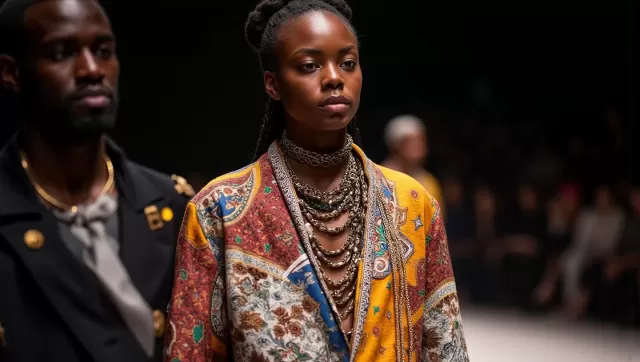
This season's London Fashion Week unfolded with a unique sense of urgency and significance. As the UK capital contended with the discordant noise of far-right street protests, the creative industry offered a powerful and necessary visual response. Black designers, in particular, were at the forefront, using their platforms to craft compelling, alternative narratives for modern Britain.
Labrum's Poetic Stand at Westminster
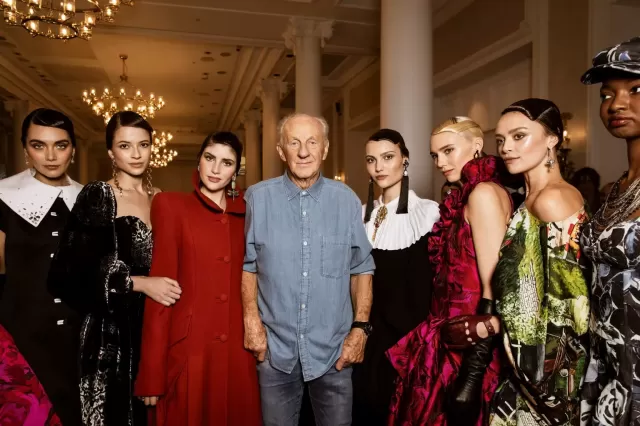
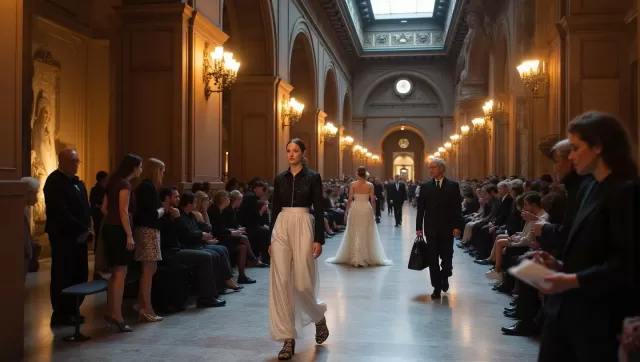
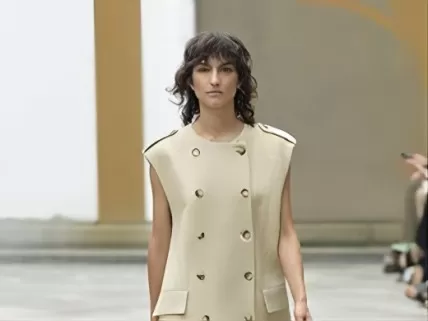
A standout presentation came from Foday Dumbuya, the British-Sierra Leonean designer behind the acclaimed label Labrum. His spring/summer 2026 show, titled "Osmosis," served as a masterful exploration of cultural synthesis and exchange. The choice of venue, Central Hall Westminster, was deeply resonant, as the same space had hosted a major far-right rally just a week prior. This backdrop transformed Dumbuya's runway into a powerful act of reclamation, replacing divisive rhetoric with a celebration of unity and the freedom of movement.
The show was an immersive experience from the start. A unique orchestra blended the sounds of classical strings and brass with the resonant beats of West African talking drums and djembes, all underscored by futuristic digital riddims. This hybrid soundscape perfectly encapsulated the collection's theme of cultures interacting and creating something new. The clothes continued this dialogue, using the sharp, clean lines of British tailoring as a canvas for the rich tones and intricate patterns of West African textiles. This meeting of formal elegance and expressive colour illustrated the dynamic fusion that defines the diasporic experience.
Throughout the collection, key symbols reinforced this message. Cowrie shells, which hold deep cultural and economic meaning across the African continent, were thoughtfully threaded into headgear and suiting, representing a quiet yet powerful statement of cross-African solidarity. More politically charged were the military-inspired silhouettes and headwear. Designs riffed on ceremonial adornments from the Democratic Republic of Congo and the formal shakos of marching bands, evoking the complex histories of those called to service in both colonial and civil wars. These beautiful yet poignant cues spoke to the reality of conflict-driven displacement and celebrated the stunning cultural symbiosis that can emerge when refugees find new homes and enrich their new communities.
Carnival Spirit and Enduring Legacies
Other designers added their distinct voices to this vital conversation. Jawara Alleyne, a designer of Jamaican and Cayman Island heritage, presented "Tabanca," a collection named after a Caribbean term for a deep, melancholic longing. Alleyne channeled the specific feeling of post-carnival blues, translating the festival's explosive creativity and vibrant energy into beautifully draped, colourful, and shredded fabrics that referenced traditional masquerade characters.
Meanwhile, Tolu Coker's collection, "Unfinished Business," was presented as a moving film. Her work was a profound tribute to the lives and legacies of Black women, exploring the powerful idea of passing down heirlooms, traditions, and stories from one generation to the next.
Collectively, these presentations highlight the essential role Black designers play as cultural storytellers and visionaries. At a time of increasing division, they use their work to investigate the lands, journeys, and experiences that have shaped their identities and their place within the UK. From the runway to our wardrobes, the garments they create are imbued with history and meaning, serving as a physical reminder of the rich, multicultural fabric of society that is worth defending. Their fashion is more than just clothing; it is a bold declaration of presence and a compelling argument for a more inclusive world.