Harvard Challenges Trump's Ban on Foreign Students in Court
Harvard University has launched a fierce legal counteroffensive against a new proclamation by former President Donald Trump barring foreign nationals seeking to study at the Ivy League institution from entering the United States. The university amended an existing lawsuit, declaring the move illegal and urgently requesting a judge to block it immediately.
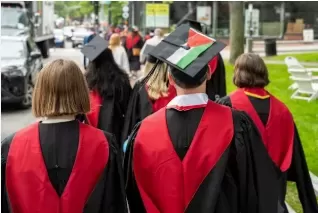
In a court filing, Harvard argued the proclamation unlawfully denies thousands of its students the opportunity to pursue education in the U.S. and fundamentally undermines the university's character. "Without its international students, Harvard is not Harvard," the filing asserted, emphasizing that international scholars constitute roughly a quarter of the student body.
The White House responded with sharp criticism. A spokesperson labeled Harvard "a hotbed of anti-American, anti-Semitic, pro-terrorist agitators" – accusations the university has consistently rejected. The statement further contended that "Harvard's behavior has jeopardized the integrity of the entire U.S. student and exchange visitor visa system and risks compromising national security," insisting the university "must face the consequences of its actions."
Trump justified the ban, effective for an initial six months and extendable, citing national security concerns specifically tied to Harvard. The proclamation also directed the State Department to consider revoking academic visas for current Harvard students meeting its criteria. Harvard countered in court, stating Trump violated federal law by failing to substantiate these national security claims. The university noted the proclamation's logic was flawed: "noncitizens who are impacted... can enter the United States — just so long as they go somewhere other than Harvard."
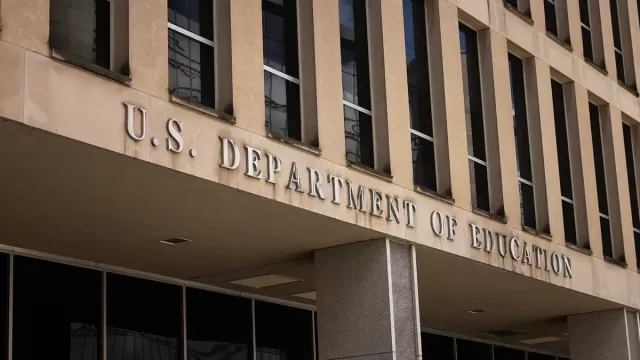
This clash represents the latest escalation in a broader conflict between the Trump administration and the prestigious university. The administration has previously frozen billions in grants, proposed ending Harvard's tax-exempt status, and challenged its authority to enroll international students. Harvard maintains these actions constitute retaliation for refusing government demands to control its governance, curriculum, and the ideological leanings of faculty and students.
Trump's directive arrived just one week after U.S. District Judge Allison Burroughs in Boston signaled her intent to issue a broad injunction preventing the administration from revoking Harvard's ability to enroll international students. Harvard argued the new proclamation is a transparent attempt to circumvent that impending court order.
The legal battle intensified in May when Homeland Security Secretary Kristi Noem abruptly revoked Harvard's Student and Exchange Visitor Program certification. Judge Burroughs temporarily blocked that action almost immediately. Facing a hearing, the administration shifted tactics, opting for a longer administrative challenge instead.
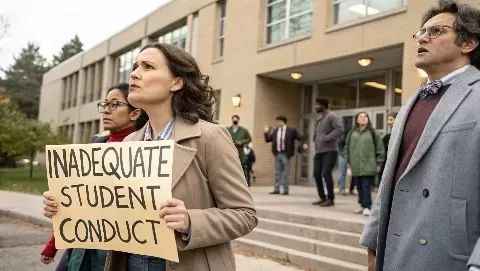
The recent two-page presidential proclamation accused Harvard of "a history of concerning foreign ties and radicalism," "extensive entanglements with foreign adversaries" like China, a "drastic rise in crime," failure to discipline conduct violations, and insufficient reporting on foreign students' "known illegal or dangerous activities." Harvard firmly rejected these claims in its latest filing, dismissing them as entirely unsubstantiated.
As the legal wrangling continues, the fate of Harvard's international student community hangs in the balance, setting the stage for a high-stakes constitutional confrontation over university autonomy, immigration policy, and national security.