Mandatory Education 'Burdening Islanders with Thousands in Expenses'
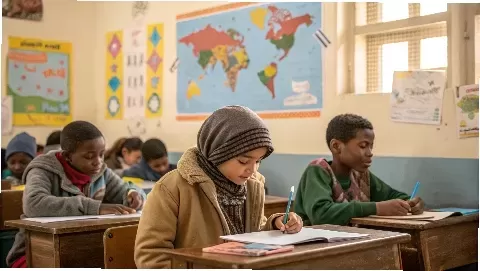
"It's a right pain," Joseph Mallon reports, mentioning the 19-hour trip from his home in the Isles of Scilly to college. Children in the City of London school—the only other place without post-16 education—can jump onto a bus or tube and be there. But the island kids need to go far away to the mainland. Where they stay during this time draws fights between the council and the parents. It could be a very big wake-up call for young island children. "I have to take the boat or plane. If I take the boat, it arrives late, so I must stay the night in Penzance, and then it's a six- or seven-hour train ride to Winchester," says Jacob, who has just finished college.
Before college, the longest time he was away from Scilly was about two weeks: "I'm used to walking down the street and knowing everybody, but on the mainland, I don't know anyone, and it's odd." This does not cover travel or other costs, and families say the prices keep going up fast as living costs rise.
Jacob's mother shares her perspective: "Any little extra money helps, but it is not enough for what we need, and the big issues of safety remain unattended." According to some stories in the BBC, families were forced to spend their last money on fees, while others had to juggle two jobs just to make ends meet.
"Mum" worries about the safety issues. "There are so many unknowns with coming and going," she said. "Some families are great, and that's fantastic, but with others, it's just luck. Kids shouldn't be lucky when it comes to their safety," Mallon says.
Jacob feels "not fair" that young people in Scilly "must go far for any chances at all." "We don't see the support we need in funds," he remarked. "I have spoken to friends who have had a hard time and had to switch host families after they got kicked out. Most people do not have to worry about where to go next, but it seems that many from Scilly do."
According to the council, they help host families pay for heat checks, but only some hosts have taken up the offer, and it is not yet mandatory. In March, councillors were told of a child who became very sick with type 1 diabetes whilst in the care of a host family.
The information reached BBC that the young person kept the council in court while their name was hidden. But then, they called off the legal fight after adjudication. They said they would be paying for the child's legal costs. The council said they tried to settle the issue early, and they regretted that the matter got embroiled in court.
The council says they take the protection of children and the use of public funds very seriously. Probably some were intimidated and scared that they would lose their jobs at the council, which employs quite a lot on the island. The council told its employees having children that if they do have any concerns, they ought to put them forward to their line managers without fear of repercussions.
More money yet will be solicited by the council from the central government, and letters will be dispatched to the surrounding boarding schools to investigate whether they can cut the fees for children of the Isles of Scilly in consideration of their special status. They fully support the host families, saying that it is a warm and caring place for the children to live.