Hyundai Aims to Disrupt U.S. Pickup Truck Market by 2030
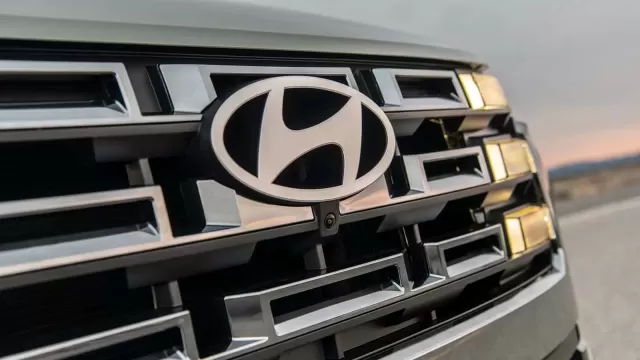
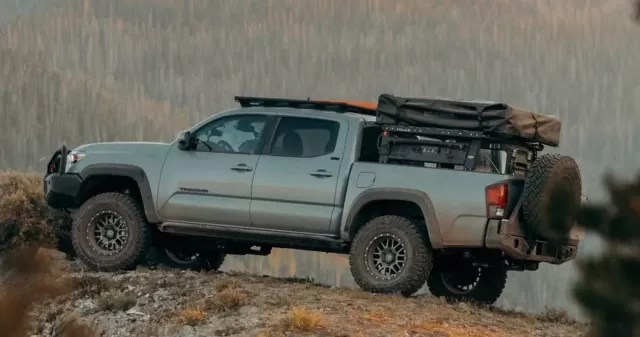
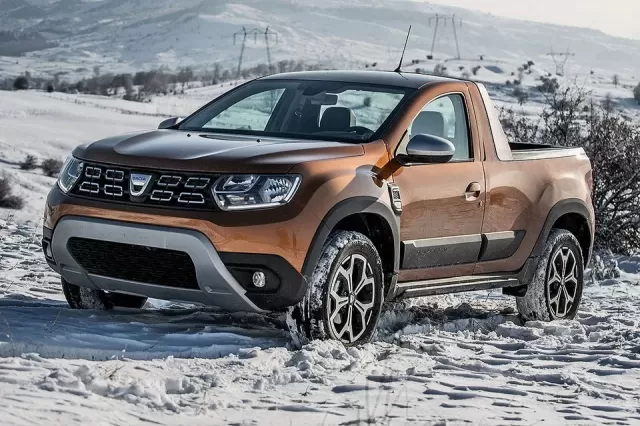
Hyundai is setting its sights on a major expansion into the North American pickup truck arena. Ambitious plans revealed at the company's recent CEO Investor Day indicate the arrival of a midsize pickup by 2030, a tight timeline considering the challenges foreign brands face in this competitive market.
The prevailing theory suggests Hyundai will leverage its existing resources within the Hyundai Motor Group, potentially adapting the Kia Tasman for the U.S. market. The Tasman, already available in Oceania and Asia as a rival to trucks like the Ford Ranger and Toyota Hilux, could provide a foundation for Hyundai's entry. Rumors suggest that the Tasman is already undergoing testing in the U.S. If Kia opts for an electric truck instead, this opens the door for Hyundai to capitalize on the Tasman's architecture and accelerate its pickup truck development.
Potential Powertrain Options
The Tasman's existing 2.5-liter turbocharged four-cylinder engine and eight-speed automatic transmission, also found in Genesis models, are strong contenders for the Hyundai pickup. Expect rear- or all-wheel drive configurations, with a significantly upgraded all-wheel-drive system for off-road capabilities.
While a 2.2-liter turbodiesel engine is available in the Tasman, its introduction in the U.S. is unlikely. Similarly, the Tasman's six-speed manual transmission likely won't make the cut due to anticipated low demand. Hybrid powertrains, however, are a definite possibility, mirroring Toyota's strategy. Hyundai's commitment to Extended Range Electric Vehicles (EREVs) by 2027 – where a combustion engine acts solely as a generator – could also lead to an innovative powertrain option.
Design Considerations
The Kia Tasman's styling might not resonate with American buyers. Hyundai's pickup will likely retain the core proportions while adopting a more appealing design language. The company could draw inspiration from its "pixelated" design theme found on models like the Santa Fe and Ioniq 5.
Regardless of its final design and powertrain, Hyundai's entry into the midsize pickup segment is a bold move with the potential to shake up the market. While established brands enjoy strong customer loyalty, Hyundai has demonstrated its ability to succeed in new sectors like EVs (Ioniq) and luxury vehicles (Genesis), making its pickup truck venture one to watch.
Hyundai's Broader Electrification Strategy
Investor Day 2025 emphasized Hyundai's vision for 2030, with a strong focus on electrification. EREVs are a key element, promising a range exceeding 600 miles upon their 2027 debut. Hybrid models are also a significant component, with plans for over 18 new hybrid models within the next five years. Pure EVs remain important, but Hyundai intends to tailor them to specific markets, including the Ioniq 3 for Europe, a locally designed EV for India, and the Elexio for China. A China-specific sedan is also in the works. Overall, Hyundai aims to sell 3.3 million electrified vehicles by 2030.
Expanding Production Capacity
Hyundai is expanding its production capacity, with the Hyundai Motor Group Metaplant America (HMGMA) in Georgia aiming for 500,000 units by 2028. This $2.7 billion investment will create 3,000 jobs and produce over 80% of Hyundai vehicles sold in the U.S., including 10 hybrid and EV models. Globally, Hyundai is targeting a production capacity of 1.2 million units by 2030, with 250,000 units in India and 200,000 in Ulsan, South Korea.