Spitsbergen Fossils Reveal Rapid Ocean Recovery
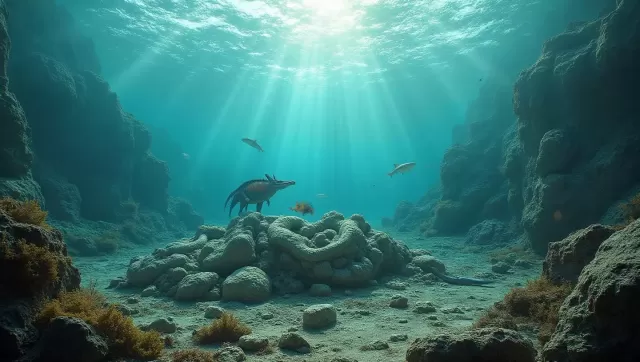
On the remote, icy shores of Spitsbergen in the Svalbard archipelago, scientists have unearthed a staggering collection of over 30,000 fossils. This remarkable find, consisting of teeth, bones, and other remains, opens a direct window into a 249-million-year-old marine world. The assemblage documents a pivotal moment in Earth's history, capturing one of the first major waves of land-dwelling vertebrates—including reptiles, amphibians, bony fish, and sharks—colonizing the oceans.
The discovery, first made in 2015, represents nearly a decade of meticulous work. Teams from the University of Oslo's Natural History Museum and the Swedish Museum of Natural History in Stockholm spent years excavating, preparing, and analyzing the material to transform frozen Arctic rock into groundbreaking scientific evidence.
Why Spitsbergen Yields Such Exceptional Finds
Spitsbergen is globally renowned for its pristine fossils from the early Age of Dinosaurs. The island's rocks formed from soft seafloor mud in an ancient ocean that once bordered the vast Panthalassa super-ocean. This unique geological setting has preserved an extraordinary record of life, particularly highlighting the early adaptation of land-based animals to a fully marine existence.
A World Reborn from Catastrophe
This evolutionary leap occurred in the aftermath of the end-Permian mass extinction, an event roughly 252 million years ago that erased more than 90% of marine life. Often termed the "Great Dying," this catastrophe was driven by extreme volcanic activity, soaring global temperatures, ocean acidification, and widespread oxygen depletion.
For years, the prevailing scientific narrative held that marine ecosystems recovered from this devastation slowly, over some eight million years, with a gradual, step-by-step return of complex life. The new evidence from Spitsbergen compellingly challenges this view.
A Dense Snapshot of Ancient Marine Life
The fossil site is so rich that it forms a distinct bonebed visibly eroding from the mountainside. This dense layer accumulated over a short geological timeframe, providing a concentrated snapshot of life approximately three million years after the mass extinction. Using a precise grid system across 36 square meters, researchers collected over 800 kilograms of material, ranging from minute fish scales and shark teeth to large marine reptile bones and fossilized feces (coprolites).
Revealing a Rapid Oceanic Comeback
The composition of the bonebed indicates that marine ecosystems rebounded with surprising speed and complexity. Far from being barren, the oceans just a few million years post-extinction were already thriving with diverse predators and intricate food webs.
A key surprise was the variety of fully aquatic reptiles present. The site hosts everything from small, squid-eating ichthyosaurs under one meter long to massive apex predators exceeding five meters. It also includes archosauromorphs, the distant relatives of modern crocodiles.
Rewriting the Timeline for Marine Adaptations
A comprehensive global analysis positions the Spitsbergen assemblage as one of the most species-rich collections of early Mesozoic marine vertebrates known to science. The findings suggest that the movement of reptiles and amphibians into ocean environments began earlier than previously assumed, potentially even prior to the end-Permian extinction. This period of "ecosystem reset" appears to have rapidly created new ecological opportunities, ultimately shaping the foundation for modern marine ecosystems.
The detailed study is featured in the international journal Science. Select fossils from this landmark discovery are now available for public viewing at the University of Oslo Natural History Museum and the Swedish Museum of Natural History in Stockholm.