Automakers Tout Affordable US-Made Cars Under $35,000

As consumer anxiety regarding the cost of vehicle ownership continues to rise, foreign-owned automakers are aggressively highlighting their contribution to the affordable car market within the United States. During recent industry panels in Washington D.C., representatives for international brands pushed back against the narrative of soaring prices, noting that a significant majority of their U.S. sales involve models with a Manufacturer's Suggested Retail Price (MSRP) under $35,000.
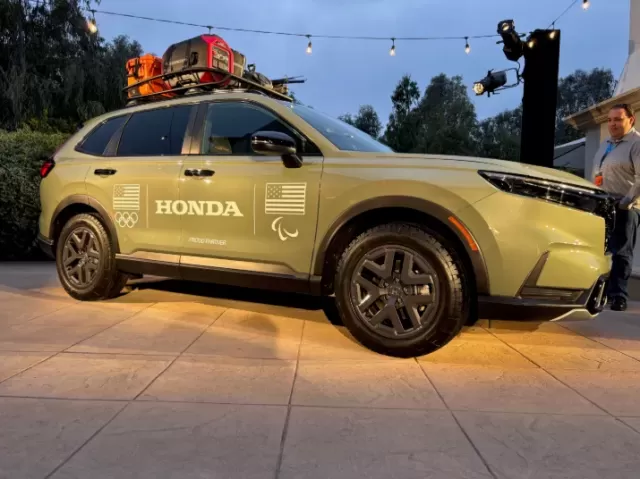
To reinforce their commitment to the American economy, industry groups displayed nearly 50 vehicles featuring signage indicating the specific U.S. states where they were assembled. Leadership from Autos Drive America emphasized that their members have invested more than $100 billion into U.S. manufacturing. By producing vehicles domestically, these international automakers aim to provide families with a diverse array of budget-friendly options, countering the trend of inflation that has plagued the sector in recent years.
The Safety Risks of an Aging Vehicle Fleet
Federal transportation officials have expressed serious concerns that the barrier to entry for new cars is negatively impacting road safety. With the average price of a new vehicle hovering near $50,000 recently, many Americans are forced to retain their current cars for historic lengths of time. Data from the Department of Transportation indicates that the average age of a vehicle on U.S. roads has reached 12.8 years.
Administration officials argue that keeping older cars in circulation presents distinct disadvantages for drivers:
Lack of Modern Safety Tech: Drivers remaining in decade-old vehicles miss out on critical advancements in crash protection and accident avoidance systems found in modern lineups.
Reduced Survival Odds: In the event of a collision, the probability of survival is statistically higher in newer vehicles compared to those that are 12 to 14 years old.
Lower Fuel Efficiency: Older fleets do not benefit from the dramatic improvements in fuel economy achieved over the last ten years, leading to higher operational costs for owners.
Lawmakers Target Supply Chain Resilience
Congressional representatives from both parties agree that stabilizing the automotive market requires addressing the root causes of production costs. Legislators point to logistical failures exposed during the pandemic as the primary drivers of current pricing structures.
Key factors identified by lawmakers affecting sticker prices include:
Semiconductor Shortages: The inability to source sufficient microchips led to vast parking lots of unfinished vehicles, restricting supply and driving up demand.
Global Supply Chain Fragility: Logistics networks that were stretched too thin globally proved unable to withstand disruption, prompting calls to bring supply chains back within national borders.
Trade and Tariff Policies: Ongoing challenges with tariffs and uneven playing fields in trade have complicated the supplier environment, adding costs that are eventually passed down to the consumer.