
Winter Wiper Trick: Up or Down?
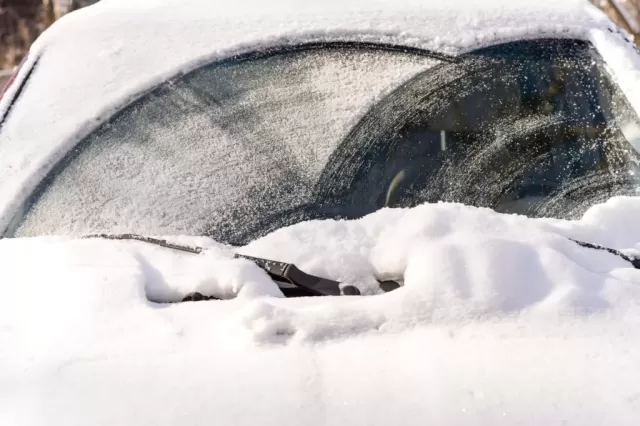
As temperatures drop and winter storms approach, many vehicle owners opt to pull their windshield wiper arms away from the glass, leaving them standing upright. While this might look like a strange ritual, it is a deliberate strategy used by drivers to handle the challenges of freezing precipitation. The goal is to simplify the process of clearing a vehicle after a heavy snowfall or ice storm.
Key Benefits of Keeping Wipers Upright
There are several practical reasons why this tactic remains popular among those living in colder climates:
Preventing Ice Adhesion: When moisture on the windshield turns to ice, it can act like glue, bonding the rubber blade to the glass surface. Lifting the arms prevents this bond from forming.
Protection Against Material Damage: If a wiper is frozen to the glass and a driver accidentally activates the wiper switch, the motor may burn out, or the delicate rubber edge of the blade could tear away.
Efficient Snow Clearing: With the wipers out of the way, it is significantly easier to use a brush or scraper to clear the entire surface of the windshield without the risk of hitting or damaging the wiper assembly.
Potential Drawbacks and Risks
While the practice offers convenience, it is not without potential hazards that car owners should keep in mind:
Wind-Induced Damage: In areas prone to high winds or severe gusts, upright wiper arms can be blown back down onto the windshield with significant force. Without the rubber blade to cushion the blow, the metal arm can strike the glass and cause it to crack or shatter.
Weakening the Spring Mechanism: The tension that keeps a wiper blade pressed firmly against the glass is provided by a small internal spring. Keeping the arm extended in a vertical position for long periods can eventually cause this spring to lose its elasticity, leading to streaks or poor contact during rainy weather.
Expert Recommendations for Winter Maintenance
Automotive maintenance specialists suggest that while lifting your wipers can be a helpful preventative measure, it should be done with caution. Experts from leading parts manufacturers note that this practice is particularly beneficial for older blades that are nearing the end of their lifespan, as they are more susceptible to tearing when frozen.
However, to avoid the risk of a cracked windshield or a weakened spring, many professionals suggest an alternative: placing a small cover or a pair of socks over the blades while they remain in their lowered position. This prevents the rubber from sticking to the glass while eliminating the risk of the arm snapping down in high winds. Ultimately, the best defense against winter visibility issues is ensuring your wiper blades are replaced regularly and using a high-quality de-icing fluid.