Three Decades of Sustainable Luxury: Banyan Tree Vabbinfaru's Legacy in the Maldives
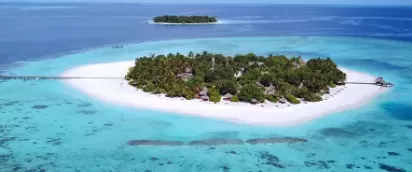
Nestled in the North Male Atoll, the intimate island of Banyan Tree Vabbinfaru has long been a beacon of eco-conscious hospitality. For 30 years, this Singaporean-branded sanctuary has redefined tropical luxury, blending conservation with world-class service—a vision sparked in 1993 by founder Ho Kwon Ping. During a visit to the Maldives, the former journalist turned entrepreneur discovered a raw, untouched islet with no infrastructure but abundant potential. "He knew this was the one," says Mohamed Naeem, the resort's deputy general manager and a Maldivian hospitality pioneer who has witnessed the island's evolution firsthand.
Pioneering Progress in Paradise
When Banyan Tree arrived, the Maldives' tourism sector was nascent. Naeem recalls early meetings where international standards—like paid leave and regular flights home for staff—seemed unimaginable to local workers. Yet the brand's ethos of employee welfare set new benchmarks, revolutionizing industry practices across the archipelago. "It changed everything," says Naeem, who transitioned from teaching to hospitality during this era. Today, the Maldives welcomes over a million visitors annually, but Banyan Tree Vabbinfaru remains a blueprint for balancing growth with sustainability.
Guardians of the Reef
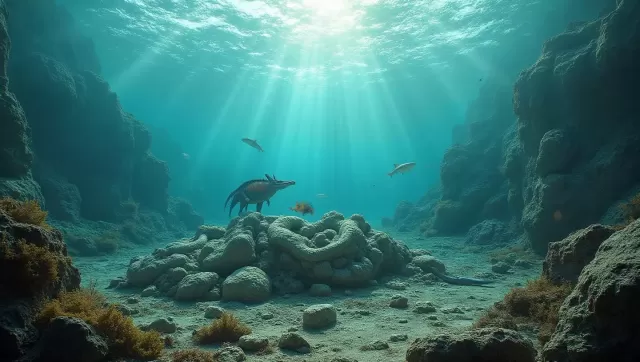
The resort's commitment to marine conservation is its crown jewel. Home to the Maldives' first on-site marine lab, Vabbinfaru has long engaged guests in coral restoration. On a recent visit, marine biologist Nick demonstrated the latest initiative: attaching coral fragments to "marine cookies," biodegradable concrete discs that foster regrowth. "Guests participate for free—it's part of our responsibility," he explains. Below the waves, electrified reef frameworks accelerate coral growth by up to six times, protected from predators. Divers can spot these metallic structures teeming with life, while the lab's coral-spawning research promises even faster reef recovery.
Island Innovations
Above water, the resort's low-impact ethos shines. Single-use plastics are banned, with refillable bottles and solar energy reducing waste. Though villas have modernized subtly—adding USB ports and refreshed decor—the island retains its unspoiled charm. Buildings skirt around ancient trees, and pools nestle discreetly behind villas to prioritize ocean vistas. "The founders chose nature over convenience," says Naeem. With no overwater villas and pathways of sand, the island's 48 villas blend seamlessly into a terrain that takes mere minutes to circumnavigate.
A Microcosm of Maldivian Heritage
Three decades on, Banyan Tree Vabbinfaru proves that eco-tourism need not sacrifice comfort. Guests dine at Madi Hiyaa, a manta ray-inspired overwater restaurant, or unwind in open-air garden spas. Yet the true allure lies in its legacy: a thriving marine sanctuary, empowered local staff, and a reminder that paradise thrives when preserved. As the Maldives grapples with overtourism, this 6-minute-walk island remains a testament to sustainable vision—one coral fragment and mindful innovation at a time.