What is Driving the Increase in Home Education in the Capital?
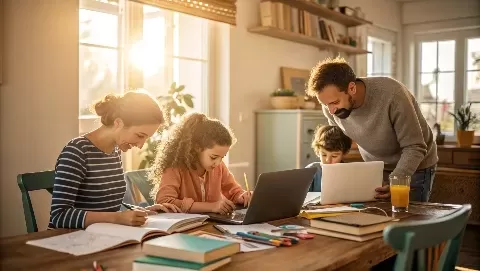
Home learning is a good way for kids who have a hard time in school, says 12-year-old Addison. He went to school at first but now learns at home.
More kids like Addison now learn at home.
Parents in England pick home learning for many reasons. Some like the way of life, have faith or cultural needs, do not like school tests, or want to help their kids more, say new rules from the state. "I do not think home learning is bad," Addison says. "There are lots of reasons. Maybe you stop going to school because of bullies, or the school is not good for you, or you need help."
Home learning means you teach your kid at home, all day or some days. This can be called homeschooling.
Across England, as new numbers show, about 23 out of 100 parents say they homeschool for life or faith reasons or to have no school tests.
These new numbers are the first time the rules made counting home learners a must. The state says this may be why there are more now.
A state voice says, "Most kids do best in schools, but we say yes to parents who want to teach at home if they do it well and if it is best for the child.
"We want all kids to do well, no matter where they learn." Ben, who always learned at home, says it lets him "choose what to do." "I learn all the school things but in my own way," says the 13-year-old. "In English, I pick my own texts for tests."
By law, parents who homeschool can use the same school plan as schools but do not have to.
They must make sure they teach the child in a way that fits their age, skill, and any help they may need.
No law says you must tell the town if you teach at home. But a new law, the Children's Wellbeing and Schools Bill, is on the way.
It wants to make a list of all kids not in school, so towns can check if these kids are taught the right way.
The law will also help keep kids safe, help kids in need, and check schools that are not part of the state. Ben says, "How do you know which kids need help and which don't?"
Addison says, "I think they do not get what it is like to learn at home. If they want to help, they must know more."
Beth Prescott, from a group that looks at rules, says the new list must not get in the way of the parents' right to teach at home.
"It is for those kids and homes who did not mean to teach at home, and we can help them if they want it," she says. "It is a safe step for a few kids who may not be safe at home, so we know where they are and help if they need it."
The Children's Wellbeing and Schools Bill will be talked about in the house again on 20 May.